The whole family on one page
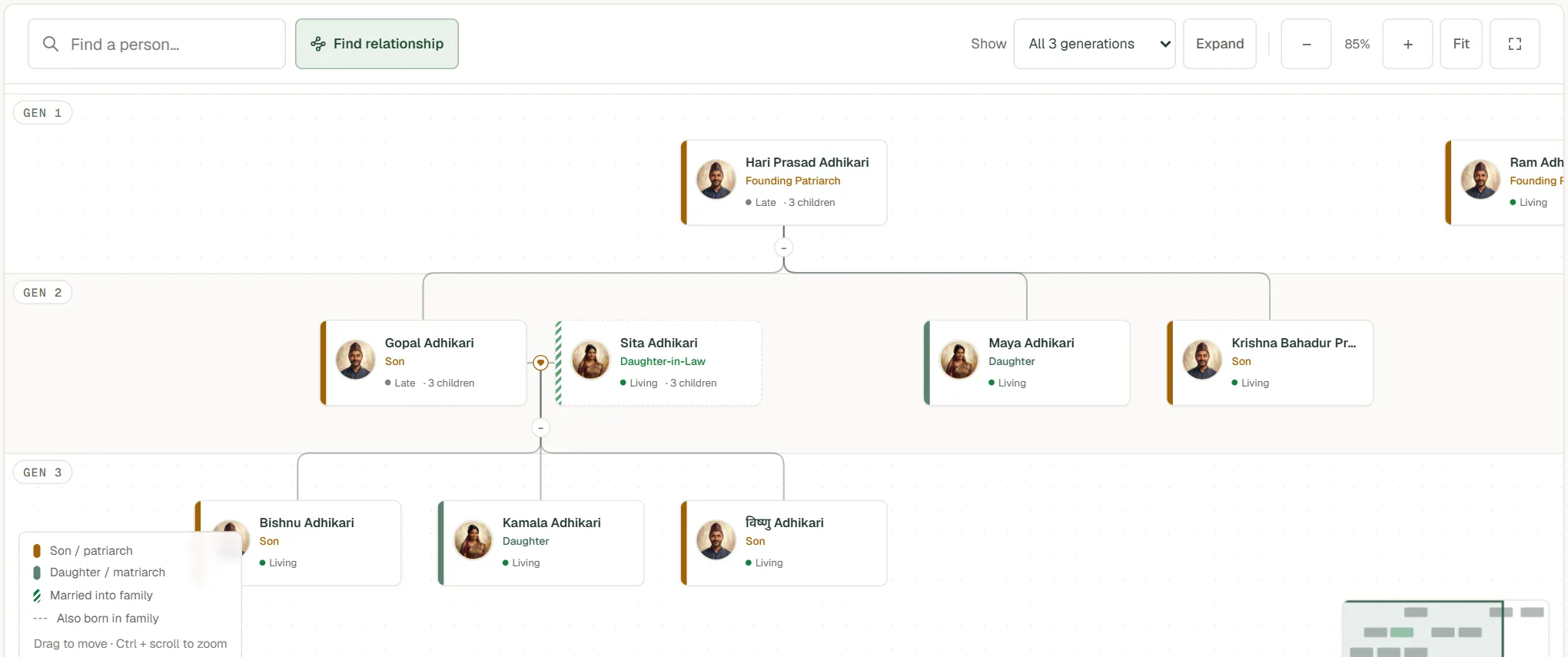
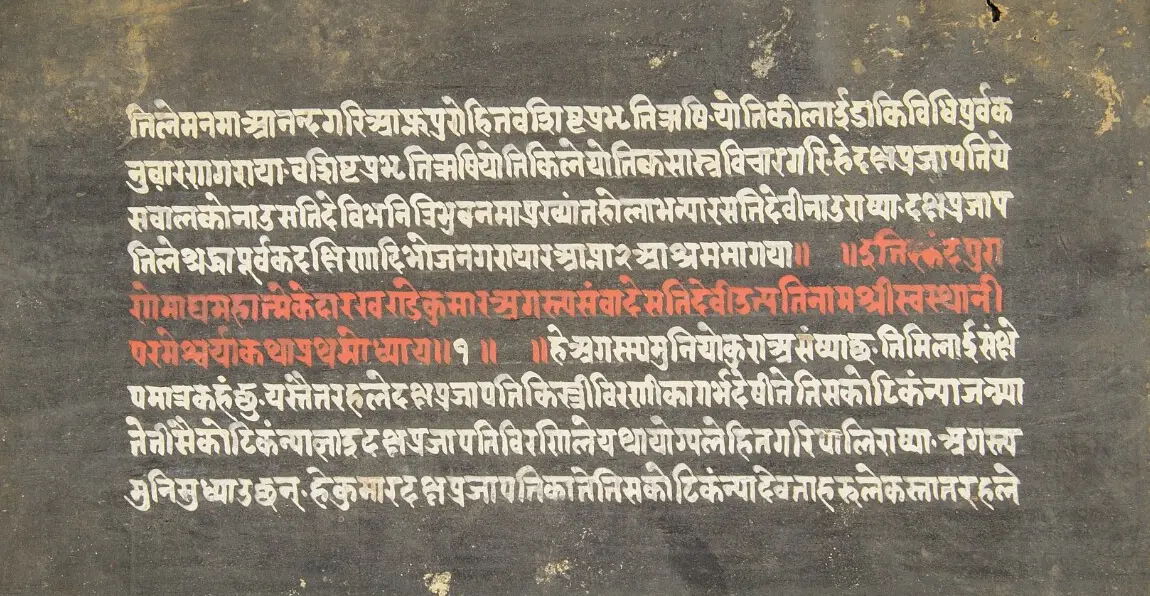
Every generation in its own row, the मूल पुरुष at the top and everyone else below. Open any person for their story, photos and relatives.
 Banshawali
वंशावली
Write your family’s lineage in Nepali or English, with Bikram Sambat dates and the word you use for each relative. Free for every family.
Start your family register
mother's brother father's younger sister father's younger brother
फुपू
Aunt (father's sister)
बुबाकी बहिनी
Banshawali works out the word from your tree for any two people in it, from both sides, and says it in Nepali and English.
Every generation in its own row, the मूल पुरुष at the top and everyone else below. Open any person for their story, photos and relatives.
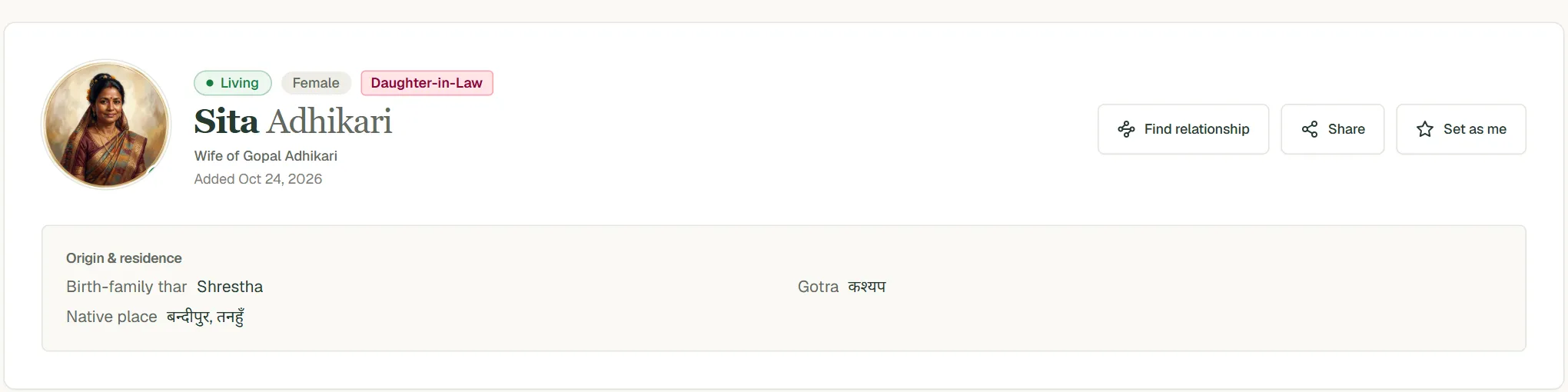
Each person keeps their own maiti thar, gotra and native place. The family heading carries the thar, gotra and kul devta.
2032 Shrawan 15 is kept exactly as the family wrote it. 31 July 1975 is worked out beside it, so ages and anniversaries still add up.
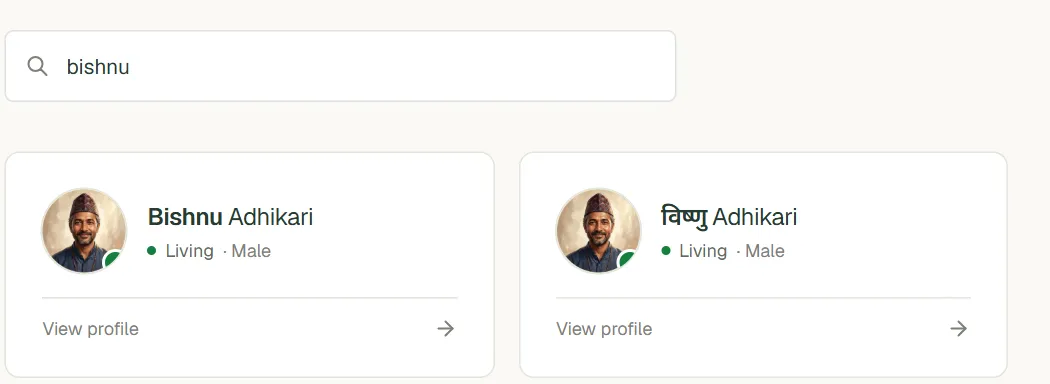
Type “Bishnu” and find विष्णु. Type सीता and find Sita. “Vishnu” works too.
Most families start with whoever is at the table, then fill in the elders over the next festival. You pay nothing until you want it printed.
You keep the whole lineageFree until you print
Each family decides who comes in. The server checks these rules on every request, so a hidden phone number is never sent to the browser at all.
| In the register | Owner and admins | Editors | Viewers and family-code visitors |
|---|---|---|---|
| Names, relationships and photos | Yes | Yes | Yes |
| Full birth dates of living people | Yes | Yes | Year only |
| Phone numbers and email | Yes | Yes | Hidden |
| Add and correct people | Yes | Yes | No |
| Export the tree as GEDCOM | Yes | Yes | No |
| Invite relatives and choose their role | Yes | No | No |
| Read the change history and undo | Yes | No | No |
| Print the register as PDF (paid plans) | Yes | No | No |
Is it really free? Yes. Adding relatives, inviting family, photos and GEDCOM export cost nothing on every plan, for ever. You pay only if you want the print-ready banshawali.
Do I need an email address? No. A 10-digit phone number and a password are enough to start. Email is optional.
Who can see our family? Only people you let in: relatives you invite, and anyone you give the family code to. Code visitors can look but cannot change anything.
Can we write everything in Nepali? Yes. Names, places and notes can be in Devanagari or Latin letters, the app works in Nepali and English, and dates stay in Bikram Sambat.
What if we stop using Banshawali? Export the whole register as a GEDCOM file at any time, on any plan. It opens in other family-tree programs.
Our elder has the paper banshawali. Can someone enter it for us? We enter it for you: a Nepali-speaking researcher talks to your elder by phone, photographs the register and enters the lineage, from रु 25,000.
Do we pay for each relative? No. Nobody ever has to decide which relatives are worth paying for. Every plan has unlimited relatives and logins.
What happens when a yearly plan ends? Your register and everything in it stay exactly where they are. Only the paid prints wait until you renew.